28 YEARS OF EXCELLENCE
In Imparting Fine Art Education






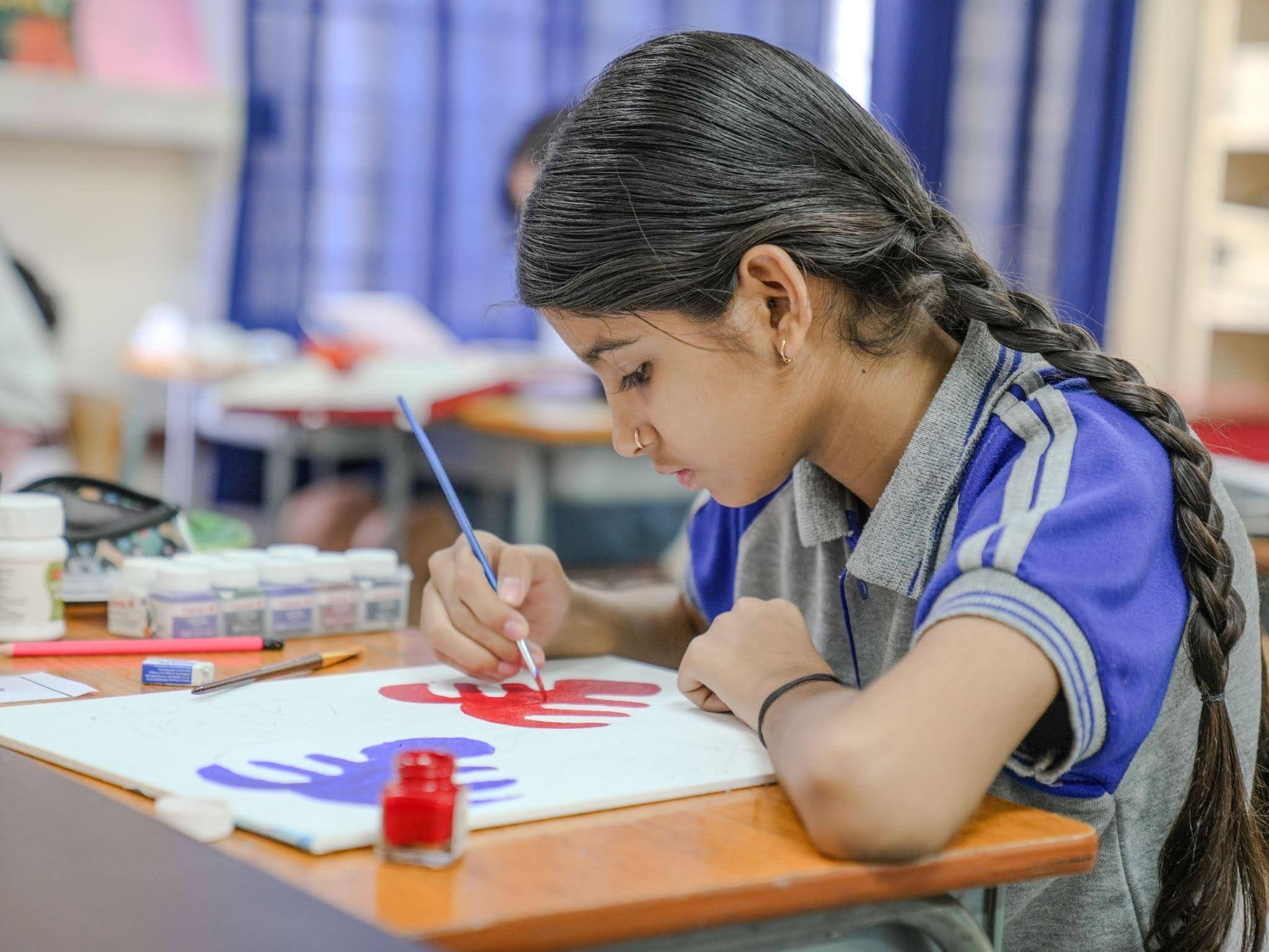
For a Primary 6 student who loves art, DSA-Sec can offer another way to apply to a Secondary School by showing their aptitude and potential in Visual Arts.
The portfolio is often an important part of the selection process, but there is no single DSA Art portfolio format used by every school. Some schools ask for a specific number of artworks, while others request a portfolio only after shortlisting. Interviews and practical art tasks may also form part of the selection.
That makes early preparation useful, not because a child needs dozens of polished pieces, but because they need enough work to choose from when the requirements of their target schools are released.
Preparing for DSA through Visual Arts? Our Art Portfolio Preparation course helps students build a DSA-ready portfolio, with one-to-one mentorship and review by our Studio Director.
Advertisement. Creative interests can extend from drawing to sound. For anyone exploring music production on a Mac or iPad, the Logic Pro learning guides on LogicPros explain recording, arranging and mixing. Browse the independent library at your own pace, one task at a time.
What is DSA Art?
Direct School Admission for Secondary Schools, or DSA-Sec, allows Primary 6 students to apply to participating Secondary Schools before their PSLE results are released. Schools can select students based on specific talents and strengths, including Visual Arts.
Schools offering DSA Visual Arts include Secondary Schools with Art Elective Programmes (AEP) or Enhanced Art Programmes (EAP), and for most Secondary Schools, applications are submitted through the MOE DSA-Sec Portal.
The School of the Arts (SOTA) is a separate case. Primary 6 students still apply through DSA-Sec, but the application is submitted directly to SOTA, not through the MOE DSA-Sec Portal. SOTA also runs its own admissions timeline and Talent Academy process.
Who Should Apply Through DSA Art?
A child does not need a long list of art awards before considering DSA Visual Arts.
Some schools explicitly state that students without prior experience may still apply because the selection can consider their potential, not only past achievements.
DSA Art may be worth considering if your child:
- Draws or creates art regularly: They choose to make art outside compulsory school assignments.
- Enjoys experimenting: They are curious about different materials, subjects or ways of expressing an idea.
- Can talk about their creative choices: They can explain what they made, why they chose a subject and what they might change.
- Is willing to practise: They are interested in developing their skills and continuing with Visual Arts in Secondary School.
- Is interested in the school: DSA is also a commitment to the school and the talent area, not simply another route to secure a place.
Understanding the DSA Art Application Process
The exact selection process depends on the school, so parents should check the current DSA page of every school their child is considering.
The general process is:
- Apply through the DSA-Sec Portal: Schools generally publish their talent area requirements by late April. Applications are then submitted through the MOE DSA-Sec Portal, with the window typically open from May through early June.
- Wait for shortlisting: Schools review applications and contact selected students for the next stage.
- Attend the school’s selection activities: Shortlisted students are invited for selection activities, which vary by school and may include portfolio reviews, interviews, or live drawing assessments. Tampines Secondary, for example, uses an impromptu art activity alongside its interview.
- Receive the application outcome: Applicants may receive a Confirmed Offer, Wait List or Unsuccessful outcome. For the 2026 exercise, schools released outcomes in August.
- Submit school preferences: Students with a Confirmed Offer or Wait List place later indicate their school preferences through the DSA-Sec process.
A Confirmed Offer still works together with the student’s PSLE results. The student must qualify for a Posting Group offered by the school to be posted there.
For SOTA, the process is separate. Visual Arts applicants usually apply directly to SOTA and attend an in-person shortlisting activity. Shortlisted applicants then move on to the Talent Academy, which included a portfolio presentation and interview, group activities, a panel interview and online questionnaires.
What Should a Strong DSA Art Portfolio Include?
There is no standard number of artworks for DSA Visual Arts. For example, RGS currently asks Visual Arts applicants for 5 to 10 pieces, while Tampines Secondary allows up to 8 artworks and asks for work reflecting at least two different art forms.
So, start with the target school’s requirements before deciding what makes the final portfolio.
Depending on those requirements, a portfolio may include:
- Observational work: Drawings of objects, people, spaces or nature can show how closely your child looks at proportion, shape, tone and detail.
- Original compositions: Original compositions that show imagination and personal voice
- Different Art Forms: Where the school asks for variety, this might include drawing, painting, mixed media, three-dimensional work or digital art.
How to Build a DSA Art Portfolio Step by Step
Having a clear process matters as much as the artwork itself.
- Build a regular practice across different media: Observational drawing, in particular, develops over time and cannot be rushed in a short burst of preparation. Introduce painting, mixed media and personal sketchbook work early.
- Collect everything: Gather school assignments, personal drawings, experiments and drafts. At this stage, nothing gets discarded. A broad pool gives more to work with when it comes to shortlisting.
- Shortlist based on quality, variety and voice: Choose pieces the student can discuss with confidence. Work a child cannot speak to is generally not worth including, regardless of how it looks.
- Organise with a clear structure: Place earlier works first to show where the journey began, followed by stronger developed pieces, with sketchbook pages and drafts alongside them and personal favourites near the end.
- Follow the submission instructions: Each school specifies how it wants the portfolio organised, labelled and submitted, and those instructions differ. Check whether the school requires physical work, a digital portfolio link or both.
Common DSA Art Portfolio Mistakes to Avoid
A few avoidable problems can make it harder for a student’s own ability to come through.
- Copying without original interpretation: Reproducing a reference image exactly demonstrates technical skill but no creative thinking.
- Ignoring the school’s requirements: Piece counts, formats and selection activities differ. Always prepare for the school you are actually applying to.
- No process work: Final pieces alone leave out what many schools find most revealing about how a student thinks.
- Poor image quality or presentation: Blurry photographs, inconsistent layouts or crumpled physical work undermine the entire submission.
- Starting too late: Work created over a few weeks lacks the depth and progression that months of practice produce.
Portfolio Presentation Tips
The presentation should make the artwork easy to view. It does not need elaborate graphics or decorative layouts.
- Photograph physical work clearly: Use even lighting and keep the artwork straight in the frame.
- Keep digital pages simple: Avoid backgrounds, borders or design elements that distract from the artwork.
- Use consistent labels where required: Keep titles, dates, media and descriptions in the same format.
- Follow the school’s required format: Check each school’s submission instructions carefully, as some accept a URL link to a digital portfolio in place of physical files
How to Prepare for the DSA Art Interview or Assessment
The portfolio may get your child’s work in front of the school, but shortlisted applicants may still need to show what they can do and talk about their art in person.
Students should be prepared to discuss each piece in their portfolio, addressing the following points:
- What prompted the idea
- How it was made
- Which part they found challenging
- What they would change
- Why it matters to them
Some schools include live drawing tasks, which may be observational or imaginative. SOTA, for example, requires all Visual Arts applicants to attend an on-site shortlisting day at its campus, where students complete timed drawing tasks assessed on observational skill, creativity and the ability to work under pressure.
To prepare, build a habit of drawing regularly from observation: set up everyday objects and draw them within a fixed time. Practise working under a timer, as the ability to make decisions quickly and commit to them is part of what these tasks assess.
When Should Students Start Preparing?
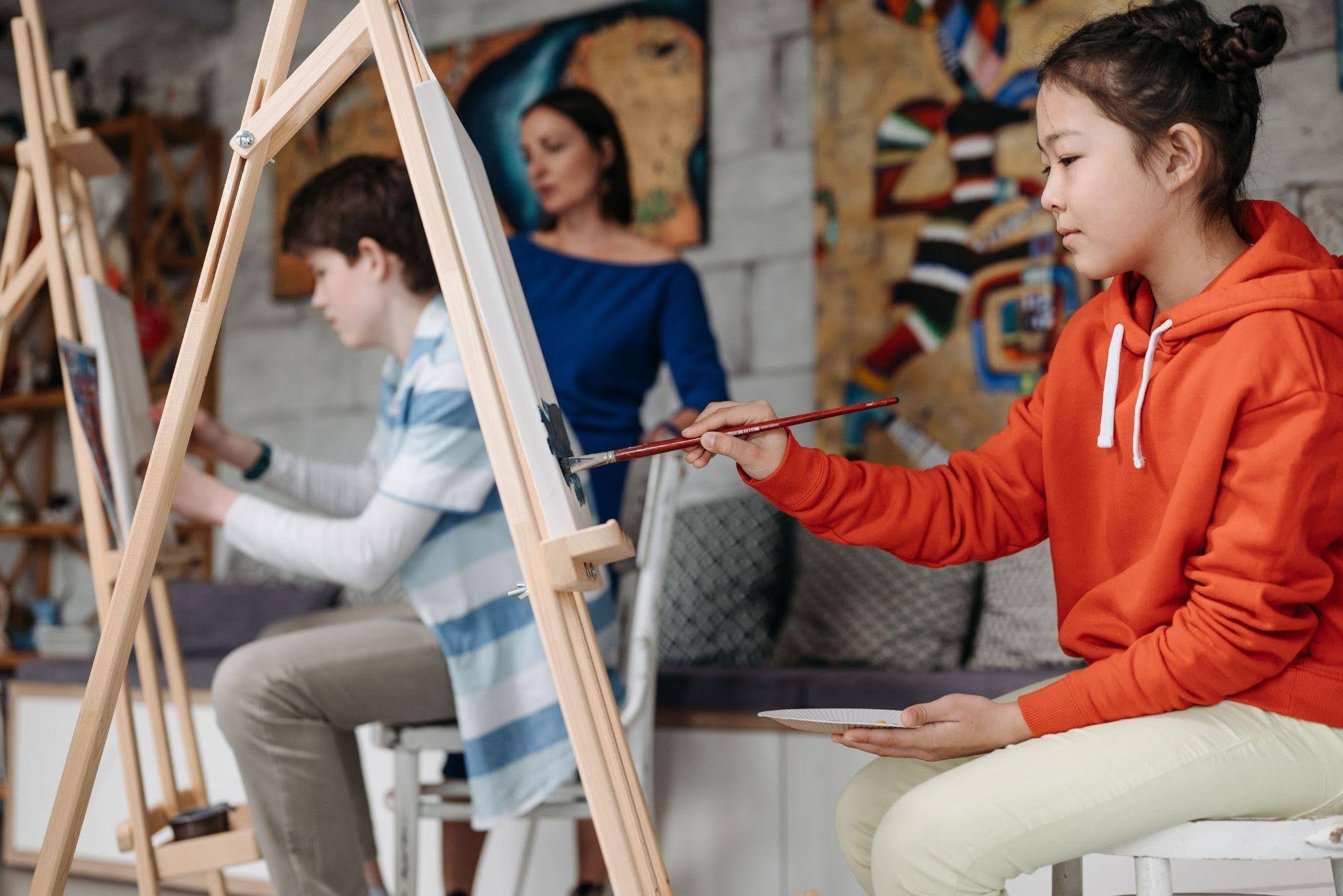
Starting earlier simply gives a child more time to develop skills and create enough work to choose from. A portfolio built in the final few months before submission tends to show it: the range is thin, the pieces are inconsistent, and there is no visible development from one work to the next.
For families already considering DSA or SOTA, Primary 4 or 5 can be a sensible time to become more consistent with art. By Primary 6, the focus can then turn to checking school requirements, identifying the strongest work and preparing for interviews or practical assessments.
Twelve to eighteen months of preparation before that is a workable minimum for most applications.
That does not mean every piece created during those years has to end up in the portfolio. It means the student has time to practise, try different ideas and improve without needing to produce everything in the weeks before submission.
Frequently Asked Questions
Depending on the school’s requirements, a portfolio may include observational drawings, creative or theme-based works, pieces across different media, process work such as sketchbook pages and drafts, and at least one self-directed project.
There is no compulsory starting age. Primary 4 is ideal for students targeting selective programmes. Most families begin focused preparation in Primary 5. The application window typically opens in May of the Primary 6 year, making 12 to 18 months of advance preparation strongly advisable.
No. Requirements differ between schools and are updated each year. Always check each school’s official website for current requirements before preparing a submission.
It depends on the school. Tampines Secondary, for example, allows 2D, 3D and time-based artwork in its current Visual Arts portfolio requirements, with videos hosted online and submitted by link. Check the target school’s accepted media and submission format before including digital or video work.
Copying reference images without personal interpretation, submitting only one type of work, leaving out process documentation, poor photography of physical pieces and starting preparation too late. A portfolio built over several months communicates considerably more than one assembled under pressure.
Practise discussing each portfolio piece: the idea behind it, the process and what the student would approach differently. Some schools include live drawing components, so regular practice across different subjects and materials helps.
Prepare Your Child’s DSA Art Portfolio With Little Artists
A DSA Art portfolio is about presenting an honest picture of your child’s artistic journey, thinking process and growth over time.
Little Artists, a professional art studio in Singapore, has spent 28 years guiding students through exactly this process. Our Portfolio Preparation programme takes students from building core technical skills through to a submission-ready portfolio, whether they are applying for DSA, SOTA, or other art schools. Each student works across multiple media with guidance on technique, creative direction and presentation tailored to their target schools.
Useful Link